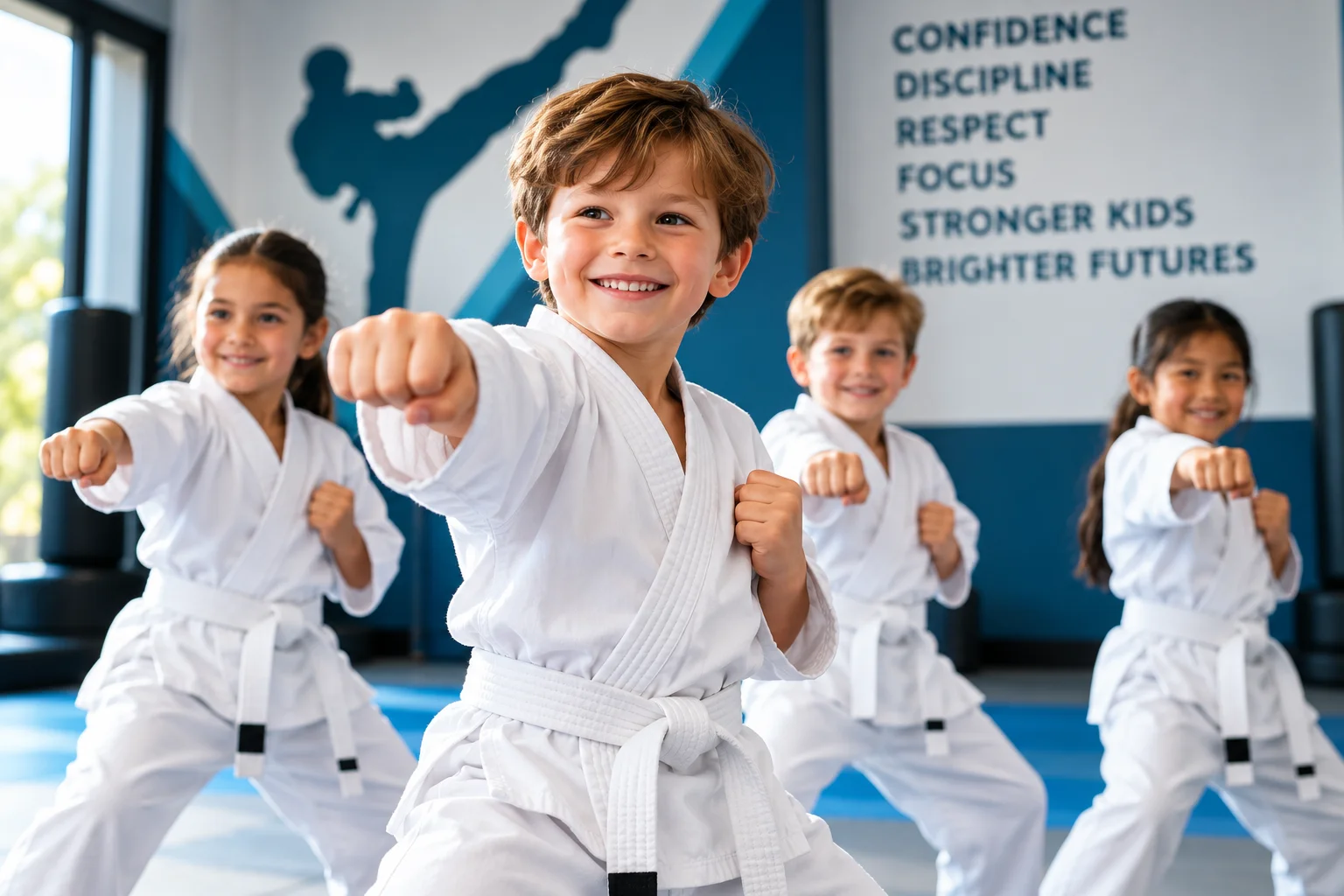
In today’s busy world, parents are always looking for activities that give their children more than just something to do after school. Kids need opportunities to stay active, build confidence, learn discipline, and develop the skills they need to handle challenges as they grow.
Martial arts for kids offers a unique combination of physical activity, mental focus, personal discipline, and character development. While children learn techniques and movement, they are also learning how to listen, stay focused, overcome challenges, respect others, and believe in themselves.
At Indie Martial Arts Littleton, martial arts is about more than learning kicks and punches. It is about helping children become stronger, more confident, and more capable both on and off the mat.
Children need regular physical activity to develop healthy movement habits, coordination, balance, and body control. Martial arts provides an engaging way for kids to stay active while learning skills they can continue developing over time.
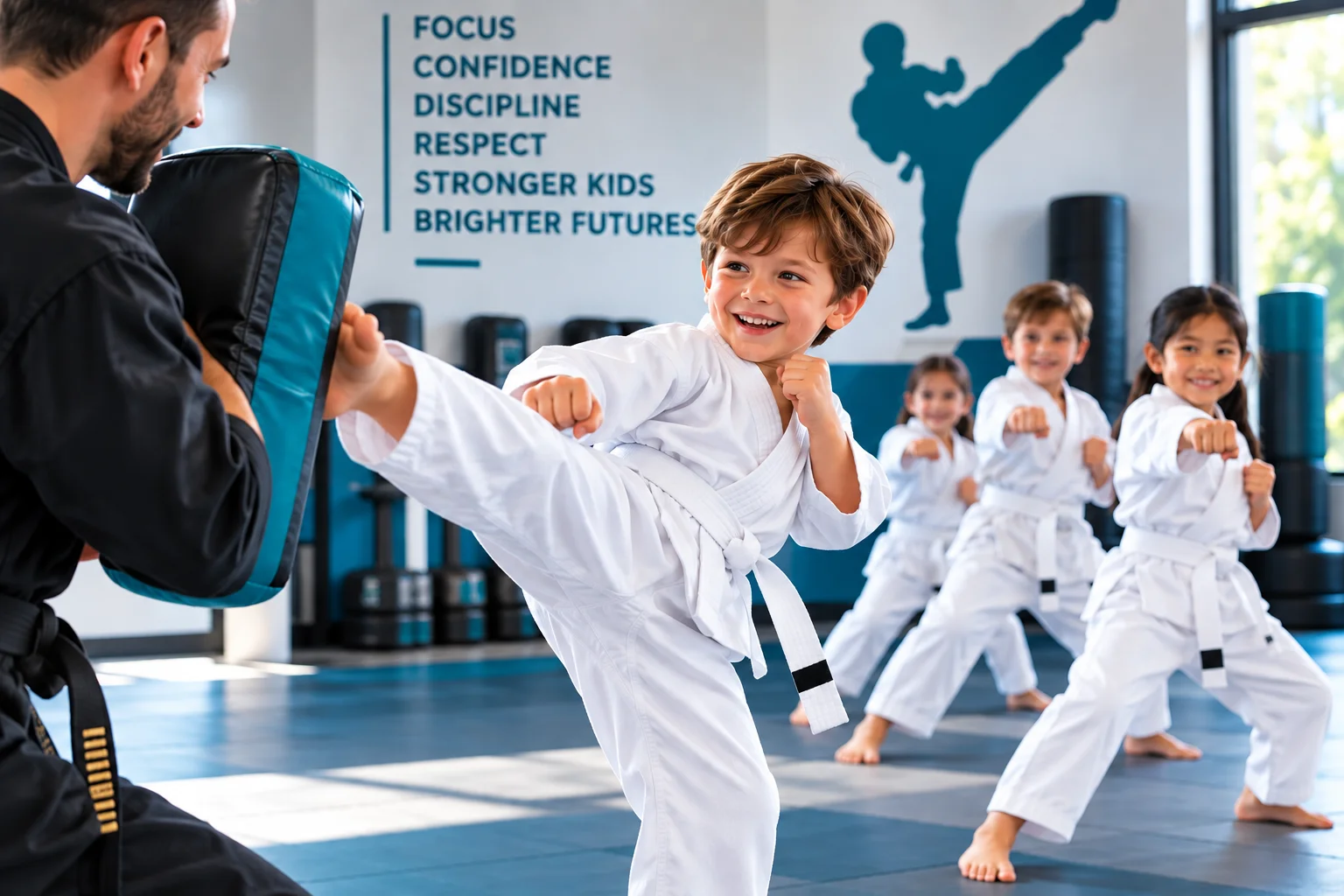
During martial arts classes, children practice different movements, techniques, drills, and exercises that challenge their coordination and physical abilities. As they continue training, they can become more comfortable with their bodies and learn how to move with greater control.
The goal is not simply to make children stronger. It is to help them understand what their bodies can do and develop the discipline to keep improving.
One of the most valuable parts of martial arts training is the focus it requires.
Children must listen carefully to their instructor, remember techniques, follow directions, and pay attention to what is happening around them. They learn that rushing through a technique is not the same as learning it correctly.
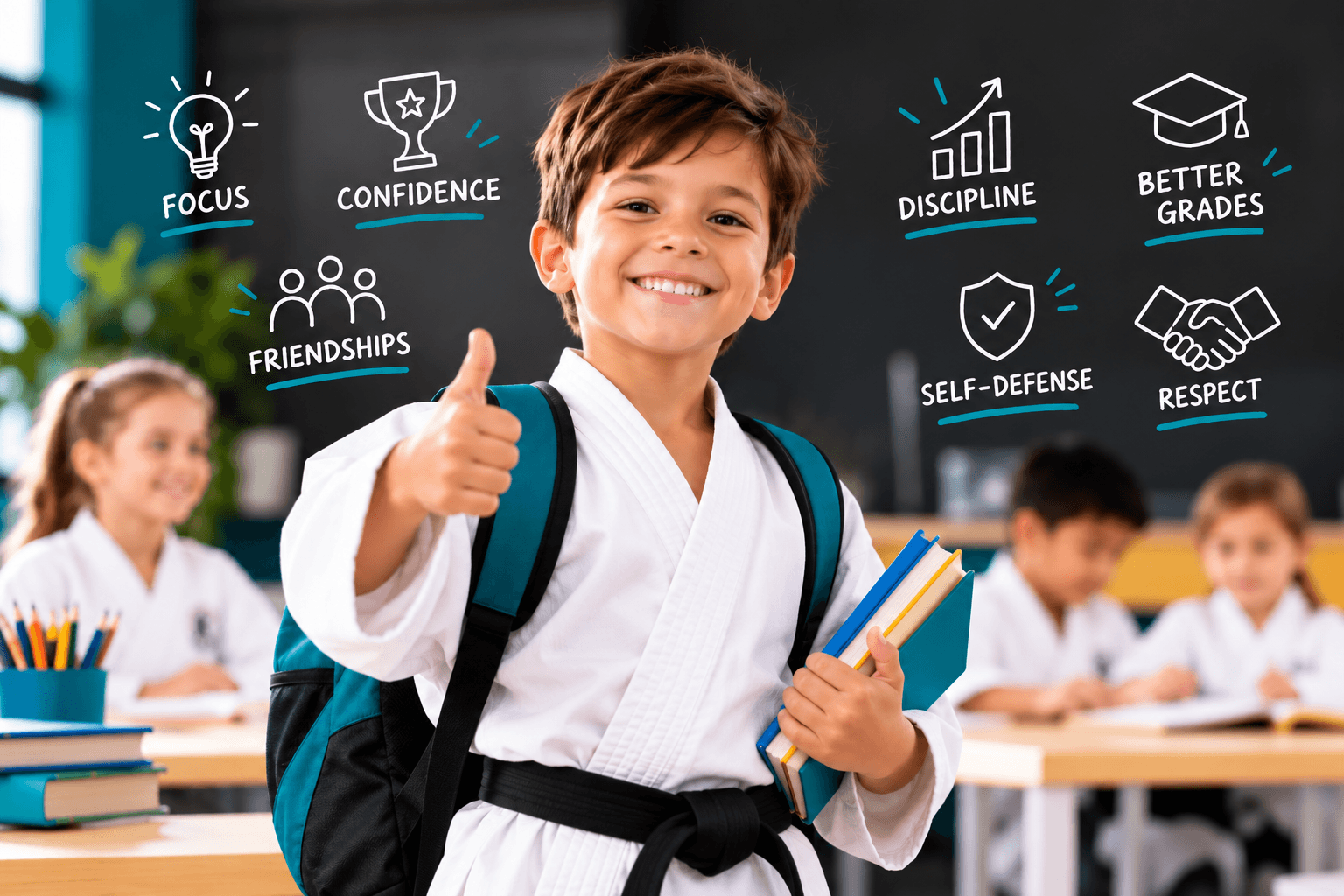
With consistent practice, these habits can become part of a child’s everyday routine. The ability to listen, concentrate, and complete a task can be useful at school, at home, and in other activities.
For younger children, structured martial arts training can also provide simple opportunities to practice following directions and staying engaged. Indie’s Little Ninjas program, for example, is designed for ages 4–6 and focuses on following directions, body control, focus, confidence, and respect.
Confidence does not usually appear overnight. For children, it can grow through repeated experiences of trying something difficult, making mistakes, practicing, and eventually succeeding.
Martial arts gives children many opportunities to experience this process.
A new technique may feel difficult at first. A child might struggle to remember a sequence or feel nervous about performing in front of others. With encouragement and consistent practice, those challenges become opportunities to grow.
Every new skill and every milestone can become evidence that effort creates progress.
This is one reason martial arts can be especially valuable for children who are shy or hesitant. They are given opportunities to experience small wins and gradually become more comfortable stepping forward.
Progress in martial arts requires consistency. Children cannot expect to master a new skill simply by trying it once.
They need to attend class, listen to their instructors, practice their techniques, and continue working even when something feels challenging.
This teaches an important lesson: progress comes from effort and consistency.
That lesson can extend far beyond martial arts. Whether a child is learning a difficult subject at school, practicing an instrument, playing a sport, or working toward another personal goal, learning to stay committed can make a meaningful difference.
At Indie Martial Arts Littleton, discipline is connected to confidence. Students are given clear standards and a path to progress, helping them understand that confidence is something they can build through their own effort.
Growing up comes with challenges. Children experience disappointment, frustration, nervousness, mistakes, and situations that do not always go according to plan.
Martial arts can give children a structured environment where they can learn how to respond to challenges.
A student may not get a technique right on the first attempt. They may struggle with a new movement or feel frustrated when progress takes longer than expected. Instead of treating these moments as failures, martial arts can teach children to slow down, learn from mistakes, and try again.
Over time, children can begin to understand that difficulty does not necessarily mean they should quit.
That mindset can become an important part of resilience as they face challenges at school, with friendships, and throughout everyday life.
Martial arts is also about relationships.
Children train with instructors and other students, which creates opportunities to practice patience, listening, cooperation, and respect. They learn that everyone in the room deserves to be treated appropriately, regardless of their experience or skill level.
Respect is not simply something children hear about during class. It becomes part of how they interact with their instructors and training partners.
These lessons can carry into other environments as well. Children can learn to listen when someone else is speaking, take turns, encourage others, and understand the importance of treating people with consideration.
When people hear the words “martial arts,” they may immediately think about fighting. But good martial arts training is also about learning when not to fight.
Children can learn that having physical ability comes with responsibility. Self-control, awareness, and good decision-making are important parts of becoming a capable martial artist.
For kids, this means learning to control their movements, listen to instructions, manage excitement, and understand appropriate behavior during training.
The goal is not to encourage children to seek out conflict. It is to help them develop the confidence and self-control to make responsible choices when difficult situations arise.
The physical skills learned in martial arts are only one part of the journey.
Children also have opportunities to develop perseverance, humility, responsibility, confidence, respect, and integrity. These character traits can influence how they approach challenges long after a class ends.
At Indie Martial Arts Littleton, the philosophy is built around training the Mind, Body, and Spirit. The program emphasizes mental strength, physical capability, confidence, resilience, humility, integrity, and perseverance.
That approach makes martial arts more than another after-school activity. It gives children a structured environment where they can work toward goals while developing the character to handle both success and setbacks.
Every child develops differently. Some children are naturally outgoing, while others need more time to become comfortable in a new environment. Some have plenty of energy, while others need encouragement to participate.
A supportive martial arts environment can give children room to grow at their own pace.
At Indie Martial Arts Littleton, programs are organized by age and experience, with options including Little Ninjas for ages 4–6, a youth program for ages 6–12, and a teens program for ages 13 and up.
This allows children to train in an environment designed around their stage of development while working toward meaningful goals.
The benefits of martial arts can reach far beyond the training mat.
Children can become more comfortable with physical activity, more focused when learning, more confident when facing challenges, and more aware of how their choices affect themselves and others.
Martial arts gives them opportunities to practice these skills again and again.
At Indie Martial Arts Littleton, the goal is not simply to teach children martial arts techniques. It is to help them develop the confidence, discipline, focus, resilience, and character they can carry into school, friendships, family life, and their future.
If you’re looking for a meaningful activity for your child, martial arts for kids in Littleton can provide a structured and supportive environment where they can learn, grow, and discover what they are capable of.